Noor Care
Daily living skills
Everyday jobs split into small steps, each with a picture. Tick each step when it is done, and add the steps to My day if you like.
The skills
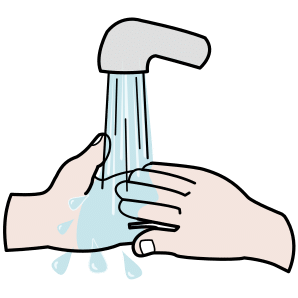
Washing my hands
Seven steps with pictures, from turning on the tap to drying my hands, with time to rub the soap all over.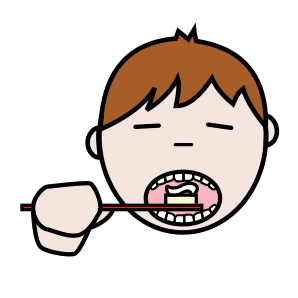
Brushing my teeth
Brushing step by step: toothpaste, top and bottom teeth, two minutes with a timer, and spitting out.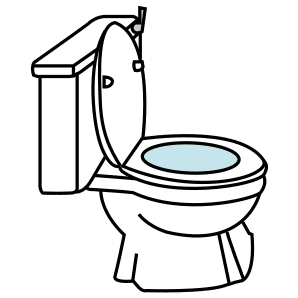
Using the toilet
The toilet step by step, with a Muslim's manners: the dua before going in, the left foot in, cleaning with water, the right foot out.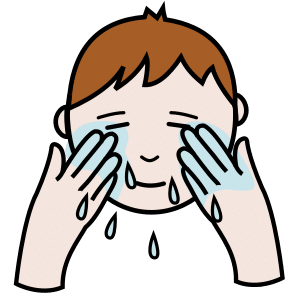
Washing my face
Washing my face with warm water: cupped hands, gentle washing, and patting dry.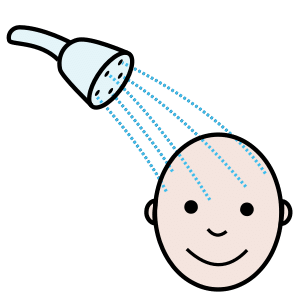
Having a shower
Showering step by step, with a grown-up to set the water: hair, shampoo with eyes closed, soap, rinsing and drying.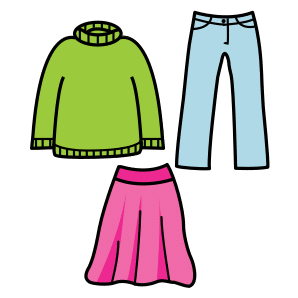
Getting dressed
Getting dressed in order, starting with the right side as the Prophet ﷺ liked, then the dua for getting dressed.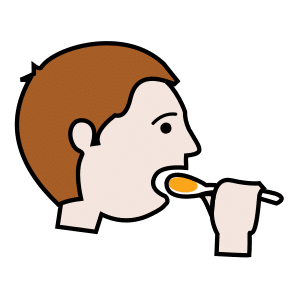
Eating a meal
Mealtime step by step, with the manners the Prophet ﷺ taught: Bismillah, the right hand, the food that is near, and Alhamdulillah at the end.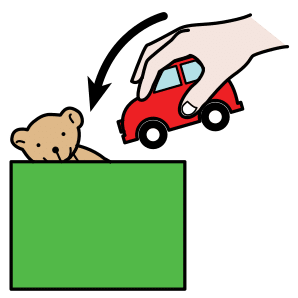
Tidying my room
Tidying in small steps: clothes, toys, books, rubbish and the bed, one kind of thing at a time.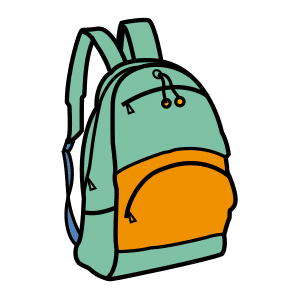
Packing my school bag
Getting my bag ready the night before: books, pencil case, water, lunch and PE kit, then the zip, and the bag by the door.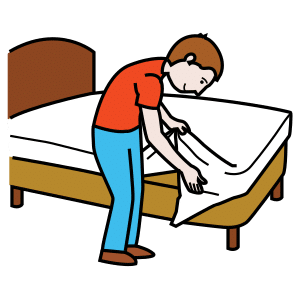
Making my bed
Making the bed in seven small steps: pillow off, sheet flat, duvet up and smooth, pillow back.
For parents and teachers
Each skill is split into small steps in the order they happen, which specialists call task analysis. Start from a step your child already knows, help with the rest, and let your child press the tick.
- Ticks are kept on this device, or for the learner when you are signed in. Start again clears them for next time.
- Add these steps to My day copies the steps into your My day routines, where you can add your own photo or voice to each step.
- The Muslim manners in the steps, such as the toilet duas, starting with the right, Bismillah and Alhamdulillah, come from the Quran and from hadith graded sahih or hasan, with the source on each step.
Pictograms: Sergio Palao, ARASAAC (arasaac.org), Government of Aragón, under the Creative Commons BY-NC-SA licence.